

Understanding Easter Monday
Easter Monday is the day immediately following Easter Sunday. While it may seem like an afterthought compared to the main celebration, this day holds significance for many Christians around the world. In fact, it’s a public holiday in over 100 countries.
In 2026, Easter Monday falls on April 6th.
For some believers, Easter Monday extends the joy of resurrection celebrations. For others, it offers time for rest, family gatherings, and continued reflection on Christ’s victory over death. Although traditions vary widely, the day provides an opportunity to linger in Easter’s good news rather than rushing back to ordinary life.
The Biblical Background
Scripture doesn’t specifically mention Easter Monday. However, the days following the resurrection were filled with significant events that give this day meaning.
Jesus Appeared to His Followers
After rising from the dead, Jesus didn’t immediately ascend to heaven. Instead, He spent forty days appearing to His disciples and teaching them about the kingdom of God (Acts 1:3).
On the very day of His resurrection, Jesus appeared to Mary Magdalene, to the women at the tomb, to two disciples on the road to Emmaus, and to the gathered apostles. These appearances continued in the days that followed.
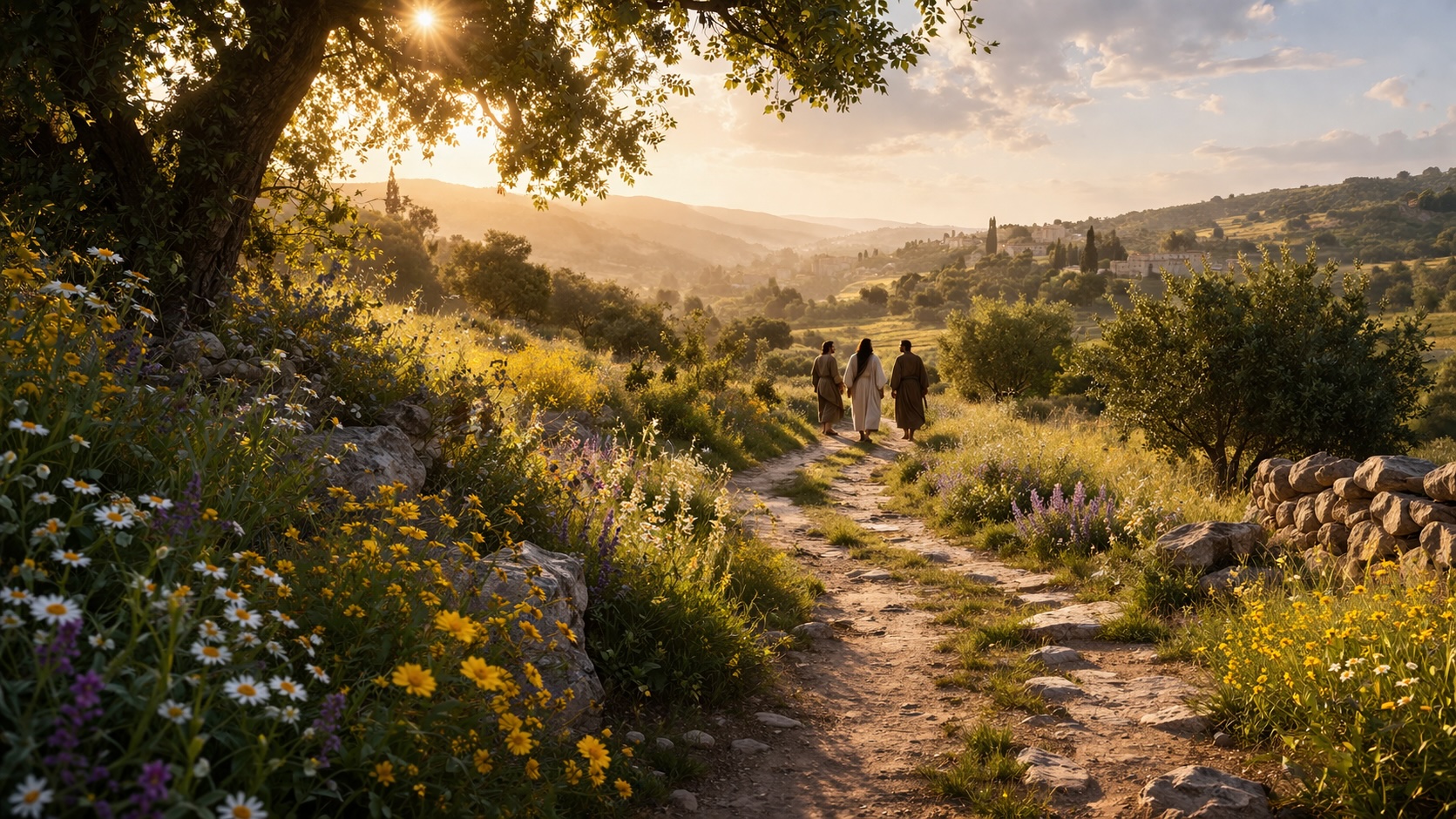
Luke 24:13-15 — “Now that same day two of them were going to a village called Emmaus, about seven miles from Jerusalem. They were talking with each other about everything that had happened. As they talked and discussed these things with each other, Jesus himself came up and walked along with them.”
The Emmaus road encounter likely happened on Easter Sunday. Nevertheless, the broader principle applies to Easter Monday as well: the risen Christ continued to reveal Himself to His followers in the days after resurrection morning.
A Time of Joy and Astonishment
The disciples spent these days in a mixture of joy, wonder, and gradual understanding. They were processing the most significant event in human history. Similarly, Easter Monday gives modern believers space to continue absorbing the reality of the resurrection.
Easter Monday Around the World
Easter Monday traditions vary dramatically across cultures and Christian traditions. Here’s how different communities observe the day:
United Kingdom and Ireland
Easter Monday is a bank holiday throughout the UK and Ireland. Traditionally, it was a day for outdoor activities, egg rolling, and family gatherings. Many people attend church services or community events. Additionally, some churches hold special Monday services to continue the Easter celebration.
Poland — Śmigus-Dyngus (Wet Monday)
One of the most distinctive Easter Monday traditions comes from Poland. On Śmigus-Dyngus, people playfully splash water on each other — originally young men splashing young women, though today everyone participates. This custom symbolises cleansing, renewal, and the joy of spring. Consequently, no one is safe from a friendly soaking on this day!
Hungary — Sprinkling Day
Similar to Poland, Hungary celebrates with water traditions. Young men visit women’s homes and sprinkle them with perfume or water while reciting poems. In return, they receive painted eggs, sweets, or small gifts. The tradition symbolises fertility, spring, and new life.
Australia and New Zealand
In the Southern Hemisphere, Easter falls during autumn. Even so, Easter Monday remains a public holiday filled with family barbecues, outdoor activities, and community events. The Sydney Royal Easter Show, running since 1823, culminates on Easter Monday with large crowds enjoying agricultural displays and entertainment.
Germany — Emmaus Walk
Many German Christians observe Easter Monday by taking an “Emmaus Walk” — a contemplative walk in nature that recalls the disciples’ journey to Emmaus. Participants reflect on Scripture, discuss their faith, and celebrate creation’s beauty. Some churches organise group walks, while families take private outings together.
Italy — Pasquetta (Little Easter)
Italians call Easter Monday “Pasquetta,” meaning “Little Easter.” It’s traditionally a day for picnics, outings to the countryside, and extended family meals. After the solemnity of Holy Week and the celebration of Easter Sunday, Pasquetta offers relaxed time with loved ones.
United States
Unlike many countries, the United States doesn’t observe Easter Monday as a federal holiday. However, the White House Easter Egg Roll — held on the South Lawn since 1878 — takes place on Easter Monday. Many churches also hold special services or community events to extend the celebration.
Eastern Orthodox Communities
Orthodox Christians who celebrate Pascha (Easter) on a different date follow similar patterns. Bright Monday — the day after Pascha — continues the feast with church services, festive meals, and joyful gatherings. The entire week following Pascha is called Bright Week, during which fasting is suspended and celebration continues.
How Christians Can Observe Easter Monday
If you want to make Easter Monday meaningful rather than just another day, here are some ideas:
1. Take an Emmaus Walk
Follow the German tradition by taking a contemplative walk — alone, with family, or with friends. As you walk, read Luke 24:13-35 and discuss what the resurrection means for your life. Pay attention to creation around you. Notice how spring (or autumn, depending on your hemisphere) reflects themes of new life and renewal.
2. Extend Your Easter Celebration
Don’t let Easter end too quickly. Play resurrection hymns throughout the day. Keep Easter decorations up. Revisit the Gospel accounts of Christ’s appearances after the resurrection. Let the joy of Easter Sunday spill into Monday and beyond.
3. Gather with Family and Friends
Easter Monday is an ideal day for unhurried fellowship. Host a brunch, share a picnic, or simply spend quality time with loved ones. Use the opportunity to share what Easter means to you. Meaningful conversations often happen in relaxed settings.
4. Rest and Reflect
Holy Week can be spiritually intense. Easter Sunday itself often involves early services, large gatherings, and much activity. As a result, Easter Monday offers welcome space for rest. Take time to journal, pray, or simply sit quietly with the Lord. Let the reality of the resurrection sink deeper into your heart.
5. Serve Others
Consider spending Easter Monday serving those in need. Visit someone who spent Easter alone. Take a meal to a neighbour. Volunteer at a local charity. The resurrection calls us to live as people transformed by Christ’s love — and love expresses itself through action.
6. Read the Post-Resurrection Accounts
The Gospels record numerous appearances of the risen Christ. Spend Easter Monday reading these accounts:
- Luke 24:13-49 — The road to Emmaus and Jesus appearing to the disciples
- John 20:19-29 — Jesus appears to the disciples and later to Thomas
- John 21:1-25 — Jesus appears at the Sea of Galilee
- Matthew 28:16-20 — The Great Commission
Notice how Jesus interacted with His followers. Observe His patience with their doubts. Consider how these encounters might inform your own relationship with Him.
7. Share the Good News
Easter opens doors for spiritual conversations that might otherwise remain closed. Use Easter Monday to share your faith with someone who doesn’t yet know Christ. Send a message explaining what the resurrection means to you. Invite someone to church for the following Sunday. The good news is too good to keep to ourselves.
Easter Monday and the Easter Season
For many Christians, Easter isn’t just a single day — it’s an entire season. The church calendar marks the fifty days from Easter Sunday to Pentecost as the Easter season (also called Eastertide).
During this period, churches continue celebrating Christ’s resurrection. Liturgical colours remain white or gold. The word “Alleluia” — often omitted during Lent — returns in full force. Readings focus on the resurrection appearances and the early church’s witness.
Easter Monday, therefore, isn’t the end of celebration — it’s the beginning of a sustained season of joy. Rather than returning immediately to ordinary time, believers are invited to dwell in resurrection hope for weeks to come.
Acts 1:3 — “After his suffering, he presented himself to them and gave many convincing proofs that he was alive. He appeared to them over a period of forty days and speaking about the kingdom of God.”
If Jesus spent forty days teaching His disciples after the resurrection, perhaps we should spend more than one day celebrating it.
A Prayer for Easter Monday
Risen Lord Jesus, thank You for the gift of another day to celebrate Your victory over death.
On this Easter Monday, help us not to rush past the wonder of the empty tomb. Instead, let the reality of Your resurrection continue to transform our hearts and minds. Open our eyes to recognise You, just as You opened the eyes of the disciples on the road to Emmaus.
Give us joy that overflows into our conversations, our relationships, and our service to others. May we live as resurrection people — full of hope, free from fear, and eager to share the good news.
Walk with us today, Lord. Reveal Yourself to us afresh. And may the celebration of Easter extend not just through this day, but through our entire lives.
In Your risen name, Amen.